What to Do Right After a Dental Injury Before Seeing an Emergency Dentist
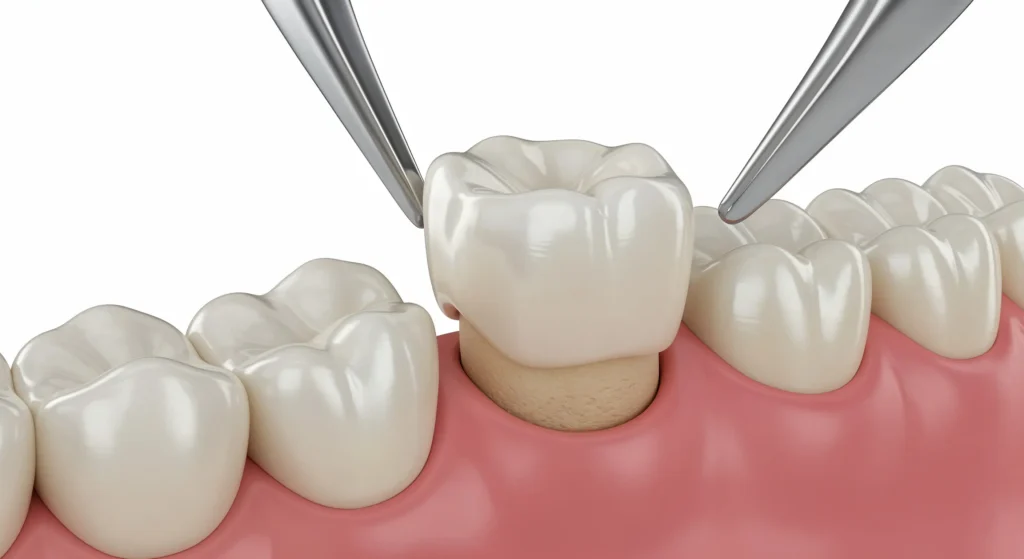
A dental injury has a way of scrambling your judgment. Even people who are calm in a medical situation can freeze when they see a chipped front tooth, a mouth full of blood, or a tooth sitting in a tissue instead of where it belongs. The first few minutes matter more than most people realize. Good first aid can reduce pain, limit swelling, lower the risk of infection, and in some cases make the difference between saving a tooth and losing it.
An Emergency Dentist sees this pattern every week. Someone falls off a bike, takes an elbow during a game, cracks a molar on a popcorn kernel, or wakes up with a facial swelling that started as a dull toothache. By the time they reach the office, the story often hinges on what happened before they arrived. Did they put the tooth in milk or let it dry out in a napkin? Did they control the bleeding with steady pressure or keep checking every thirty seconds? Did they take the right pain relief, or something that increased bleeding?
The right response depends on the kind of injury, but several principles stay the same. Act quickly, keep the area clean, protect the tooth or surrounding tissues, and contact an Emergency Dentist as soon as possible. The goal is not to solve the dental problem at home. The goal is to preserve options until professional treatment begins.
Start with safety, then look closely
Before focusing on the tooth, make sure the person is otherwise safe. A blow to the mouth can happen along with a concussion, jaw fracture, cut lip, or neck injury. If the person lost consciousness, is vomiting, seems confused, has trouble breathing, or cannot close the mouth normally after trauma, that is not just a dental issue. They may need emergency medical care right away.
If the person is alert and stable, rinse the mouth gently with clean water so you can see what happened. Blood makes small injuries look dramatic, and parents especially tend to assume the worst when a child comes in crying with a red mouth. Once the blood clears, the picture is usually more specific. You may be dealing with a chipped tooth, a loosened tooth, a knocked-out tooth, a cut in the gums, or severe pain from a fractured molar.
Apply clean gauze or a clean cloth with gentle pressure if there is bleeding. Hold steady pressure for several minutes. Constantly lifting the gauze to check it only restarts the process. For swelling, a cold compress on the outside of the cheek helps. Use it in short intervals rather than pressing ice directly onto the tooth or gums.
This is also the moment to call an Emergency Dentist. Even if you are still sorting out what kind of injury it is, describe the event, the person’s age, whether a tooth is loose or missing, whether there is swelling, and how long ago it happened. The timing matters. A tooth that has been out of the mouth for fifteen minutes is in a different category from one that has been dry for two hours.
If a permanent tooth is knocked out, time is critical
A knocked-out permanent tooth is one of the few true dental emergencies where immediate action at home can materially improve the outcome. The tooth should be handled carefully, ideally only by the crown, which is the part you normally see in the mouth. Avoid touching or scrubbing the root. The root surface contains delicate cells that help the tooth reattach successfully.
If the tooth is visibly dirty, rinse it briefly with milk or saline. Clean water is acceptable if nothing else is available, but keep the rinse short and gentle. Do not use soap. Do not wrap it in dry tissue. Do not scrape it clean. A surprising number of well-meaning people ruin the best chance of saving the tooth by overcleaning it.
If the injured person is old enough and calm enough, placing the tooth back into the socket right away is often the best option. It should go in facing the correct way, then be held in place by gently biting on gauze. That said, judgment matters. If the person is a small child, very upset, bleeding heavily, or at risk of swallowing the tooth, do not force it. In that case, store the tooth properly and get to an Emergency Dentist immediately.
The best storage media are milk, saline, or a tooth preservation kit if one happens to be available. Inside the cheek can work for a cooperative adult, but only if there is no risk of swallowing it. Plain tap water is a last resort, better than letting the tooth dry out, but not ideal for long.
A point that often causes confusion is the difference between baby teeth and permanent teeth. A knocked-out baby tooth should not be replanted at home. Putting it back can damage the developing adult tooth underneath. Children around ages six to twelve are in the mixed-dentition stage, which means you may not be sure whether the tooth is baby or permanent. If there is uncertainty, call the Emergency Dentist’s office and describe the child’s age and the tooth involved.
When the tooth is chipped, cracked, or broken
Not every broken tooth looks dramatic. A tiny chip on the edge of an incisor may feel sharp but not hurt much. A cracked molar may still look intact while causing severe pain every time the person bites down. The level of pain does not always match the amount of visible damage.
Start by rinsing the mouth with lukewarm water. If you can find the broken fragment, save it in a clean container. Sometimes it cannot be reused, but in certain cases it helps the dentist assess the fracture or even bond a piece back temporarily. If the tooth edge is cutting the lip or tongue, cover it with dental wax, sugar-free gum, or even a small piece of clean gauze until you are seen.
Avoid chewing on that side. This matters more than people think. A hairline crack in a cusp can become a split tooth by dinnertime if someone tests it with a sandwich, then tests it again with chips, then one more time to see whether it still hurts. Once a crack extends deeper into the tooth, treatment becomes more complex and sometimes shifts from a simple restoration to a root canal or extraction.
Cold sensitivity, pain on release after biting, or a sudden zing when breathing through the mouth can suggest dentin exposure or a crack pattern that deserves prompt attention. If the tooth has a pink or red spot in the center, the nerve may be exposed. That should be treated urgently, especially in a child or teenager with a recently injured permanent tooth.
If a tooth is loose or pushed out of position
A tooth that feels mobile after trauma should be left as undisturbed as possible. People often test it repeatedly with a fingertip or tongue, which can worsen the damage to the supporting ligament. A tooth that has been pushed inward, outward, or sideways can sometimes still be saved, but the chance is better when it is stabilized early.
Have the person bite gently on a folded piece of gauze if that feels comfortable, and avoid hard chewing. If the tooth is visibly displaced, call an Emergency Dentist right away and explain that it has shifted position. That wording matters because it signals a luxation https://israelixdd895.novacrestiq.com/posts/emergency-dentist-help-for-jaw-pain-after-an-accident injury rather than a simple chip.
In practice, these cases are often less painful than a large fracture, so people wait. Then the tooth begins to darken or the bite feels off for days. Early repositioning and splinting, when appropriate, can improve the long-term result.
Bleeding, swelling, and soft tissue injuries
Mouth tissues bleed heavily because they are well supplied with blood. A split lip can look alarming even when the injury is manageable. Firm pressure is still the first step. Use clean gauze, a clean washcloth, or even a moistened tea bag in a pinch, since tannins can help a little with clotting. Hold pressure continuously for ten to fifteen minutes before reassessing.
If there is a cut through the lip, inspect for tooth fragments. After sports injuries or falls, it is not unusual for a broken piece of enamel to lodge in the lip. A dentist or physician may recommend imaging if a fragment is suspected.
Swelling is best managed with a cold compress on the outside of the face for about ten minutes at a time, with breaks between applications. Do not place aspirin on the gums or the tooth. People still do this, and it can burn the tissue without helping the underlying problem.
If bleeding does not slow after sustained pressure, or if the laceration is large, gaping, or crosses the border of the lip, seek immediate care. Cosmetic alignment matters in lip injuries, and delayed repair can make healing less predictable.
Pain control before you get to the office
Reasonable pain control helps, but it should be done thoughtfully. Ibuprofen is often useful for dental pain because it addresses inflammation, assuming the person can take it safely. Acetaminophen is another option, especially for those who cannot take nonsteroidal anti-inflammatory drugs. If a child is injured, dosing should be based on age and weight, and the label instructions matter.
Adults should avoid exceeding the standard daily dose recommendations, especially if they are distressed and tempted to keep taking more every couple of hours. If someone already takes blood thinners, has a history of ulcers, kidney disease, liver disease, or medication allergies, pain control choices are not routine and should be made carefully.
A cold compress often helps more than people expect, particularly after blunt trauma. What usually does not help is placing clove oil, alcohol, hydrogen peroxide, or crushed tablets against the tooth. Those home remedies can irritate tissue and complicate the exam.
What to do if the problem is not trauma, but sudden infection or severe tooth pain
Not every urgent dental visit starts with an impact injury. A dental abscess, rapidly worsening gum swelling, or a broken tooth with exposed nerve tissue can create the same rush to find an Emergency Dentist. The first-aid approach is different because there is no tooth to preserve, but timing still matters.
Rinse gently with warm salt water if it feels soothing. Keep the area clean. Take appropriate over-the-counter pain relief if safe. Sleep with your head slightly elevated if swelling worsens when lying flat. Most importantly, do not put off care because the pain temporarily settles. Dental infections can drain and feel better for a short time while the underlying problem continues to spread.
Facial swelling, difficulty swallowing, fever, or trouble opening the mouth are escalation signs. Those symptoms may indicate an infection that has moved beyond a localized tooth problem. If breathing or swallowing is affected, seek urgent medical attention immediately.
A short first-aid checklist that works in most dental emergencies
- Rinse the mouth gently with clean water so you can see the injury.
- Control bleeding with firm, steady pressure using clean gauze or cloth.
- Use a cold compress on the outside of the face to reduce swelling.
- Protect any broken or knocked-out tooth and keep it moist, never dry.
- Call an Emergency Dentist promptly and describe exactly what happened.
That checklist is simple on purpose. In real life, people do better with a few clear actions than with a long set of instructions they cannot remember under stress.
Mistakes that can make a dental injury worse
A lot of preventable damage happens between the accident and the appointment. I have seen a tooth with a realistic chance of survival become hopeless because it sat dry in a car cup holder for an hour. I have also seen patients turn a manageable fracture into a severe pulp exposure by continuing to eat on the injured side all afternoon.
The most common mistakes are easy to understand. People want to clean things thoroughly, stop thinking about it, and get through the day. Unfortunately, dental injuries do not reward that approach.
- Scrubbing or disinfecting a knocked-out tooth damages the root surface.
- Letting a tooth dry out, even for a relatively short time, reduces the chance of successful replantation.
- Repeatedly wiggling a loose tooth or chewing to “test” it can worsen supporting tissue damage.
- Placing aspirin or caustic home remedies directly on the gum can burn soft tissue.
- Waiting overnight with significant swelling, displacement, or uncontrolled bleeding can narrow treatment options.
One practical example comes up often with teenage athletes. A player gets hit during basketball practice, chips a front tooth, and says it only feels “a little weird.” They go home, snack, brush aggressively around the area, and head to bed. By morning, the tooth is throbbing, the lip is swollen, and the fragment is lost. That same tooth, if protected and evaluated the same day, might have been smoothed or bonded with far less drama.
Children need a slightly different approach
Children bring a few special challenges. They cry, resist having the mouth examined, and may not describe what hurts accurately. They also have developing teeth, which changes treatment decisions. A bumped baby tooth is not managed the same way as a traumatized permanent incisor in a ten-year-old.
Keep your voice calm and your instructions brief. Have the child spit into a sink or cup so you can check for fragments. If a permanent tooth is involved, treat time as important. If a baby tooth is missing after trauma and you cannot find it, the dentist may want to confirm that it was knocked out rather than pushed into the gum.
A child who cannot close their teeth together normally after a fall may have more than a simple dental bruise. Jaw injury, tooth displacement, or a fracture needs prompt professional evaluation. Parents sometimes focus on the visible chip and miss the change in bite, which is often the more important clue.
What to bring and what to tell the Emergency Dentist
The more specific you are, the easier it is for the dental team to prepare. If possible, bring any tooth fragment, the knocked-out tooth stored properly, a list of medications, and the time the injury occurred. Mention whether the tooth was out of the mouth and for how long, whether it was dry, whether the person lost consciousness, and whether there is numbness in the lip or chin.
That numbness point is worth mentioning. Altered sensation after a blow to the lower face can suggest a deeper injury, sometimes involving the jaw or nerve. It does not always mean something severe, but it is clinically useful information.
If the injury happened during sports, say whether a mouthguard was being worn. If it happened during a fall, mention what surface was involved. Concrete, tile, and playground equipment often produce a different pattern than a soft collision on grass.
When the emergency room makes sense
Many dental problems are best handled by an Emergency Dentist rather than a hospital emergency room, but not all. If there is significant facial trauma, suspected jaw fracture, uncontrolled bleeding, breathing difficulty, spreading swelling, high fever, or signs of concussion, the emergency room is appropriate. Dental offices can manage many urgent tooth problems, but they are not a substitute for full medical trauma care.
There is also a middle ground. A patient may need both. For example, someone in a car accident could need emergency medical evaluation for head and facial injuries first, then dental treatment once they are medically stable.
The hours after the injury still matter
Once the immediate first aid is done and the appointment is set, the next few hours should be quiet and protective. Eat soft foods if eating is necessary at all. Avoid very hot, very cold, or sugary foods that can trigger pain in an exposed tooth. Do not smoke or vape if there is bleeding or a fresh socket injury, as both can impair healing. Keep the mouth reasonably clean, but do not brush aggressively over a traumatized area.
If the pain suddenly intensifies, the swelling spreads, or the person becomes dizzy, nauseated, or increasingly drowsy after a blow to the face, reassess the situation as potentially medical rather than purely dental.
Dental injuries are unsettling because they are visible, painful, and often unexpected. Still, the first response does not need to be complicated. Control the bleeding, protect the tooth and surrounding tissues, avoid common mistakes, and contact an Emergency Dentist quickly. Those simple steps preserve treatment choices, and in many cases they preserve the tooth itself.
Simple Dental Vermont
Address: 8914 S Vermont Ave, Los Angeles, CA 90044
Phone number: +13239493000
FAQ About Emergency Dentist Los Angeles CA
What can the ER do for a tooth?
The emergency room can provide temporary symptom relief for a bad tooth, such as prescribing pain medicine or antibiotics, but it cannot fix the actual dental problem.
What is the 3-3-3 rule for tooth infection?
The 3-3-3 rule for a toothache or infection typically means taking three 200 mg ibuprofen tablets (600 mg total) three times a day for no more than three days to control pain and swelling while waiting to see a dentist.
What do you do if you have a dental emergency but no dentist?
If you have a dental emergency and no regular dentist, you should search for an urgent care dental clinic, call local walk-in dental offices, or go to a hospital emergency room if you have severe bleeding, swelling, or trouble breathing.